Construction of a Piezoelectric Buzzer
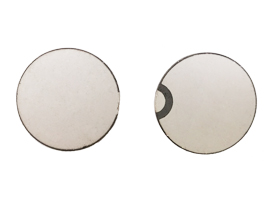
A piezoelectric buzzer is mainly composed of a piezoelectric ceramic buzzer plate (the piezoelectric element), a PCB assembly, and the buzzer housing.
PCB Assembly
The PCB is an epoxy copper-clad single board, mainly used in passive buzzers to fix the magnet wire and connect it to the leads or pins (lead-type products are soldered directly onto the piezoelectric plate to form the leads). Active buzzers have a larger oscillator section mounted on the board.
Housing
The housing is generally injection-molded from materials such as ABS, PPO, LCP, or PBT. Different high-temperature-resistant materials are selected according to the customer's soldering method. In the buzzer, the housing mainly protects and amplifies all the components. For passive piezoelectric products, it is very important that the frequency and structural design match the frequency of the driving circuit.
Precautions When Using Piezoelectric Buzzers
- Operating temperature: Do not use the buzzer outside the specified working temperature shown on the label. When the buzzer works outside its rated temperature range, the performance of the piezoelectric plate and the housing will change and the sound will become very low.
- Soldering method: Solder strictly according to the specified method. The common soldering methods for buzzers are manual soldering, wave soldering, and reflow soldering. Wave and reflow soldering are modern automated techniques. Wave soldering is mainly used for through-hole (insertion) products, while reflow soldering is mainly used for SMD products. Because both methods expose parts to relatively high environmental temperatures, the components must be made of high-temperature-resistant materials. Of course, products suitable for wave or reflow soldering can also be hand-soldered.
- Keep foreign objects out: Avoid allowing foreign objects to enter the sound hole of the buzzer. Foreign objects entering the sound hole may affect the vibration of the diaphragm, resulting in a smaller or different sound.
- Water protection: For non-waterproof buzzers, avoid installing them in places that may come into contact with water. Water can cause rust, short circuits, and reduce the vibration resistance of the components.
- Voltage limit: Do not use the buzzer beyond the marked working voltage. Because of the spontaneous polarization inside the ceramics, residual polarization remains after these processes are forced into alignment. When the voltage is too high, the polarization will be reduced, causing excessive discharge and charging, which leads to arcing, cracking of the ceramic plate, and decay of the electric field.