Speaker Size and Sound Quality
Does a larger speaker size really deliver better sound quality? To make it easier to understand, let us compare speaker size to the surface of a drumhead. The larger the drumhead, the more powerful the "momentum" - but the more energy (what we call driving power) is required, a topic we will explore in a future article. In contrast, a smaller drumhead produces a crisper sound and better transient response with equal force.
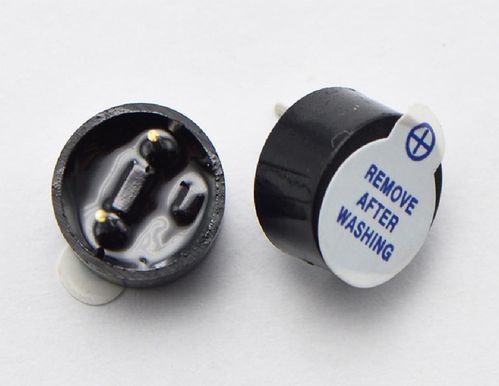
Besides sound quality, speaker size also affects the wearing experience. For headphones, a larger speaker means a larger ear cup, which makes in-ear or on-ear fitting more difficult. Conversely, a smaller speaker allows a more compact design and a more comfortable fit.
Key point: a larger driver diameter indicates a relatively wider soundstage, but it cannot decide headphone performance on its own. The overall behavior of the ear cup cavity, tuning ports, and other factors must all be considered.
Impedance and Sensitivity
Which is the real culprit behind "hard-to-drive" headphones - impedance or sensitivity? Let us first clarify these two parameters. Impedance refers to the resistance to an alternating current in a circuit containing resistance, inductance, and capacitance, measured in ohms (Ω). Sensitivity refers to the sound pressure level a headphone can produce when the input power is 1 milliwatt (referenced at 1 kHz) - in other words, how loud it reaches. Generally speaking, the lower the impedance, the higher the sensitivity.
At the same time, the easier a headphone is to drive, the easier it is to produce sound. Higher sensitivity means less power is required to reach a certain sound pressure level, while lower sensitivity naturally requires more power. In fact, sensitivity is the factor that really determines how easy a headphone is to drive.
Key point: if you normally listen to music on your phone, do not hesitate when you see 16Ω or 32Ω headphones - you can safely choose them. If the sensitivity is as high as 110dB or more, you have picked a winner.